
Blogs
How to Store Mutton at Home ?

Most households in India store mutton the same way their parents did — washed, left in a bowl, and put in the fridge. That method is costing you freshness, flavour, and sometimes your health.
Mutton is one of the most forgiving meats to cook but one of the least forgiving to store. The difference between mutton that cooks up tender and flavourful versus mutton that smells off and turns tough often comes down to what happened between the butcher's shop and your pan — specifically, how it was handled, wrapped, and kept at home.
This guide covers everything you need to know about storing fresh mutton correctly — whether it's curry cut, keema, chops, or boneless — with shelf life data, temperature guidelines, and the warning signs that tell you when it's time to discard.
How Long Does Fresh Mutton Last? Shelf Life by Cut
Shelf life varies significantly depending on the cut, how it was processed, and how it's stored. Here's what food safety guidelines from the USDA, FSSAI, and FAO tell us:
| Cut | Room Temp (above 10°C) | Refrigerator (0–4°C) | Freezer (-18°C) |
|---|---|---|---|
| Mutton Curry Cut (bone-in) | 2–4 hours maximum | 3–5 days | 4–6 months |
| Mutton Boneless | 2–3 hours maximum | 3–4 days | 4–6 months |
| Mutton Keema (minced) | 1–2 hours maximum | 1–2 days | 3–4 months |
| Mutton Chops | 2–4 hours maximum | 3–5 days | 4–6 months |
Sources: USDA FSIS Meat Safety Guidelines; FSSAI Food Safety Standards; FAO Animal Production and Health Manual
These timelines assume the meat went directly from cutting into a clean, cold environment. Mutton bought from an open market in summer heat and carried home without refrigeration may already be partially into its danger zone by the time it reaches your kitchen.
The Right Way to Store Mutton in the Refrigerator
Most of the mistakes people make with mutton storage happen in the first 10 minutes after getting home. Here's the correct process:
- Store mutton in the coldest part of your fridge — the bottom shelf or the dedicated meat drawer, not the door
- Keep it in an airtight container or sealed zip-lock bag — this slows oxidation and prevents cross-contamination with other foods
- If not cooking within 2 days, freeze it immediately — don't wait until day 4 to decide
- Place raw mutton below cooked food and vegetables in the fridge to prevent drip contamination
- Do NOT wash mutton before refrigerating — washing spreads bacteria across your sink and surrounding surfaces. Wash just before cooking
- Do NOT store mutton in the original market plastic bag — these are not airtight and allow air and odour transfer
- Do NOT leave mutton at room temperature for more than 2 hours — beyond this, bacterial growth accelerates rapidly
- Do NOT refreeze thawed mutton without cooking it first
Storing Mutton Keema: The Cut That Spoils Fastest
Among all mutton cuts, keema (minced mutton) spoils the fastest — and the reason is surface area. Mincing dramatically increases the amount of meat surface exposed to air and bacteria compared to whole cuts. Where a curry cut piece might stay fresh in the fridge for 3–4 days, keema has a window of just 1–2 days.
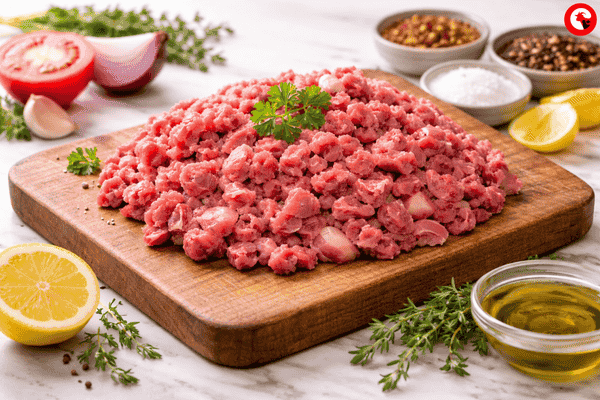
Hand-Chopped Mutton Keema
Unlike machine-minced keema, hand-chopped keema retains better texture and moisture. Cut fresh to your order and vacuum sealed immediately — so the clock starts at peak freshness, not hours before delivery.
Order Mutton Keema →How to Store Mutton Keema Correctly
The rules for keema are stricter than for other cuts:
- Use keema within 24 hours of purchase for best results — 48 hours is the absolute maximum in the fridge
- Store in a flat, sealed container — spreading it flat helps it cool uniformly and reduces the internal temperature faster
- If you bought more than you need today, portion and freeze immediately in meal-sized bags
- Do NOT leave keema in a bowl covered with a plate — this is not airtight and will accelerate spoilage
Freeze keema in flat portions inside zip-lock bags — pressing out all the air before sealing. Flat portions thaw in under 30 minutes in cold water, making weeknight cooking much faster.
Storing Mutton Curry Cut: The Most Forgiving Cut
Bone-in curry cut is the most common way mutton is bought in Indian households — and thankfully, it's also the most forgiving to store. The bone acts as a natural insulator, and the larger surface-to-volume ratio means bacterial penetration is slower than in boneless or minced cuts.
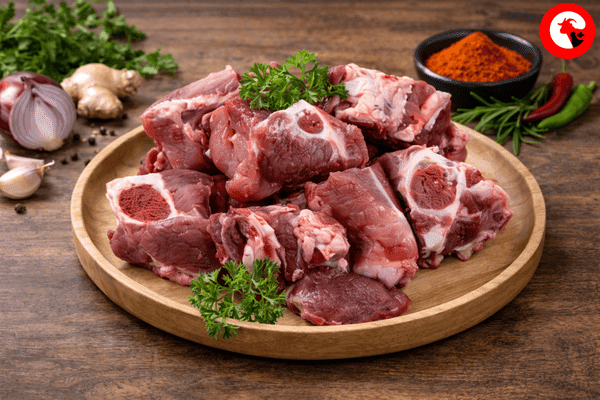
Fresh Mutton Curry Cut
Even cuts of the right size make all the difference in cooking — pieces that are too large don't cook evenly, too small and they dry out. Alizo's curry cut is portioned to order so every piece cooks consistently.
Order Mutton Curry Cut →- Store curry cut pieces in a sealed container with a small amount of space — overcrowding the container traps moisture and speeds up spoilage
- If marinating before storage, add yogurt or lemon-based marinades — the acidity mildly inhibits bacterial growth and improves texture
- For cooking the next day, move from freezer to fridge the night before — slow thawing in the fridge is safer than thawing at room temperature
- Do NOT store marinated mutton for more than 48 hours in the fridge — the marinade breaks down the meat fibres beyond this point
Storing Mutton Chops: Handle With Extra Care
Mutton chops — cut from the rack or shoulder — have more exposed bone and a higher fat content than curry cut pieces. The fat oxidises faster than lean meat, which is why chops can develop a slightly rancid smell before the meat itself has spoiled. Don't confuse fat oxidation with full spoilage — the meat may still be fine — but it does mean chops need to be used sooner.
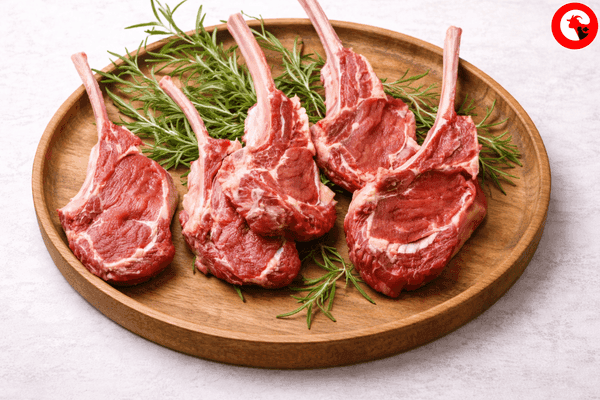
Fresh Mutton Chops
Best for grilling, tawa fry, or slow-cooked curries — mutton chops need the right fat-to-meat balance to cook well. Order cut-to-size from Alizo Foods and get them sealed fresh for maximum flavour retention.
Order Mutton Chops →- Use chops within 2–3 days of refrigerating — don't stretch to day 5 the way you might with a solid curry cut piece
- Wrap chops individually in cling film before placing in an airtight bag — this prevents the exposed bones from puncturing the packaging
- For freezing, wrap tightly in foil first, then in a freezer bag — the double wrap protects against freezer burn on the fat edges
- Do NOT store chops with the raw fat sitting directly against other food items — the fat will transfer odour even through mild packaging
Storing Mutton Boneless: Quickest to Absorb Flavour, Quickest to Spoil
Boneless mutton — cut from the leg or shoulder — has no bone to insulate it, which means heat and bacteria penetrate faster. The trade-off is that it absorbs marinades beautifully and cooks more evenly. If you buy boneless mutton, your storage window is tighter than bone-in cuts.

Fresh Mutton Boneless
Rich in protein, easy to portion, and perfect for biryani, karahi, or kebabs — boneless mutton from Alizo Foods is cut from fresh stock and vacuum sealed immediately so you get maximum shelf life from the moment it arrives.
Order Mutton Boneless →- Store boneless mutton in the coldest zone of your fridge (0–2°C ideally) — the bottom shelf directly under the cooling vent
- If cooking within 24 hours, a yogurt-and-spice marinade in the fridge overnight actually helps preserve the meat while improving flavour
- For longer storage, freeze in portion sizes you'll actually use — 250g or 500g portions are most practical for Indian cooking
- Do NOT store boneless mutton for more than 3 days in the fridge — unlike bone-in cuts, there's nothing slowing down the bacterial penetration
How to Tell If Mutton Has Gone Bad: 5 Signs to Check
Even with correct storage, always do a quick check before cooking. Fresh mutton that's still good will pass all five of these tests:
Smell
Fresh mutton has a mild, slightly gamey smell. A strong sour, ammonia-like, or rotten odour means it has spoiled — discard immediately.
Colour
Fresh mutton is red to dark red. A grey or brownish surface is early oxidation — not always spoiled, but a sign to cook soon. Green tint means discard.
Texture
Fresh mutton feels firm and slightly moist. Slimy or sticky surface is a clear sign of bacterial growth — do not cook or consume.
Liquid
A small amount of pinkish drip liquid is normal. Dark brown or cloudy liquid pooling in the container is a spoilage sign.
Freezer Burn
White or grey patches on frozen mutton are freezer burn — not spoilage. The meat is safe but will be dry and flavourless in those spots.
Time
If you can't remember when you bought it, that's your answer. When in doubt — throw it out. Food poisoning from mutton is not worth the risk.
Some bacteria — particularly Staphylococcus aureus — produce heat-stable toxins that survive cooking. Mutton that smelled fine before cooking can still cause illness if it was stored incorrectly. Always follow storage timelines, not just smell tests.
How to Freeze Mutton Properly
Freezing is the single best way to extend mutton's safe window — but only if done correctly. Improperly frozen mutton suffers from freezer burn, texture degradation, and flavour loss.
Step 1: Portion the mutton into meal-sized quantities before freezing — once frozen, refreezing after partial use degrades quality.
Step 2: Pat the pieces dry with a clean cloth — excess moisture on the surface causes ice crystals that damage the meat fibres.
Step 3: Wrap tightly in cling film first, then place in a zip-lock freezer bag, pressing out all air before sealing.
Step 4: Label with the cut name and freeze date — mutton all looks the same after freezing.
Step 5: Thaw in the refrigerator overnight — never on the kitchen counter at room temperature.
The simplest way to maximise mutton freshness at home is to start with meat that was never compromised in the first place. When mutton sits open on a market counter for hours before you buy it, its freshness clock has already been ticking — and no amount of correct home storage can recover that lost time.
Alizo Foods (alizo.in) cuts your mutton — whether curry cut, keema, chops, or boneless — fresh to your order and vacuum seals it immediately before dispatch. By the time it reaches your door in Meerut, the freshness clock started only minutes ago. That's the difference between good storage and great storage.
Order Fresh Mutton in Meerut →The Bottom Line on Mutton Storage
Fresh mutton stored correctly in the fridge at 0–4°C will stay safe for 3–5 days for bone-in cuts, 3–4 days for boneless, and just 1–2 days for keema. Freeze anything you won't cook within that window — and freeze it on the day of purchase, not on the last possible day.
The smell test, colour check, and texture feel are your last line of defence — but they're not a substitute for following storage timelines. When in doubt, always discard. The cost of spoiled mutton is far less than the cost of food poisoning.
And the best storage practice of all? Start with meat that was cut fresh, sealed immediately, and delivered cold — so your home storage window begins at its maximum.
